May 4, 2026
When you walk into a newly finished home or a freshly renovated commercial office space, the first thing you notice is rarely the walls themselves. Instead, you notice the paint color, the artwork, the lighting, and the architectural trim. However, none of these aesthetic elements would be possible without a perfectly smooth, structurally sound foundation. The seamless ceilings and flawlessly flat walls that we take for granted are the result of highly skilled labor. According to Statista, the volume of wallboard products sold within the U.S. reached approximately 28 billion square feet in 2024. That staggering statistic not only underscores the massive scale of the American building industry, but it also highlights the monumental task that drywall contractors undertake every day to turn skeletal wooden and metal frames into livable, workable, and beautiful spaces.
At McCloskey Drywall Inc., we understand that drywall is far more than just gypsum and paper. It is the defining boundary of your interior environment. Whether you are breaking ground on a massive new build or breathing new life into an historic property through renovation, professional drywall contractors are essentially the sculptors of modern architecture. In this comprehensive guide, we will explore the multifaceted role these professionals play in both new construction and renovation projects, and why their expertise is the cornerstone of any successful build.
The Foundation of Interior Finishing
Before delving into the specific processes of new builds and renovations, it is essential to understand the inherent complexity of drywall installation. Drywall—also known as wallboard, plasterboard, or sheetrock—replaced traditional lath and plaster over the last century due to its efficiency, cost-effectiveness, and fire-resistance.
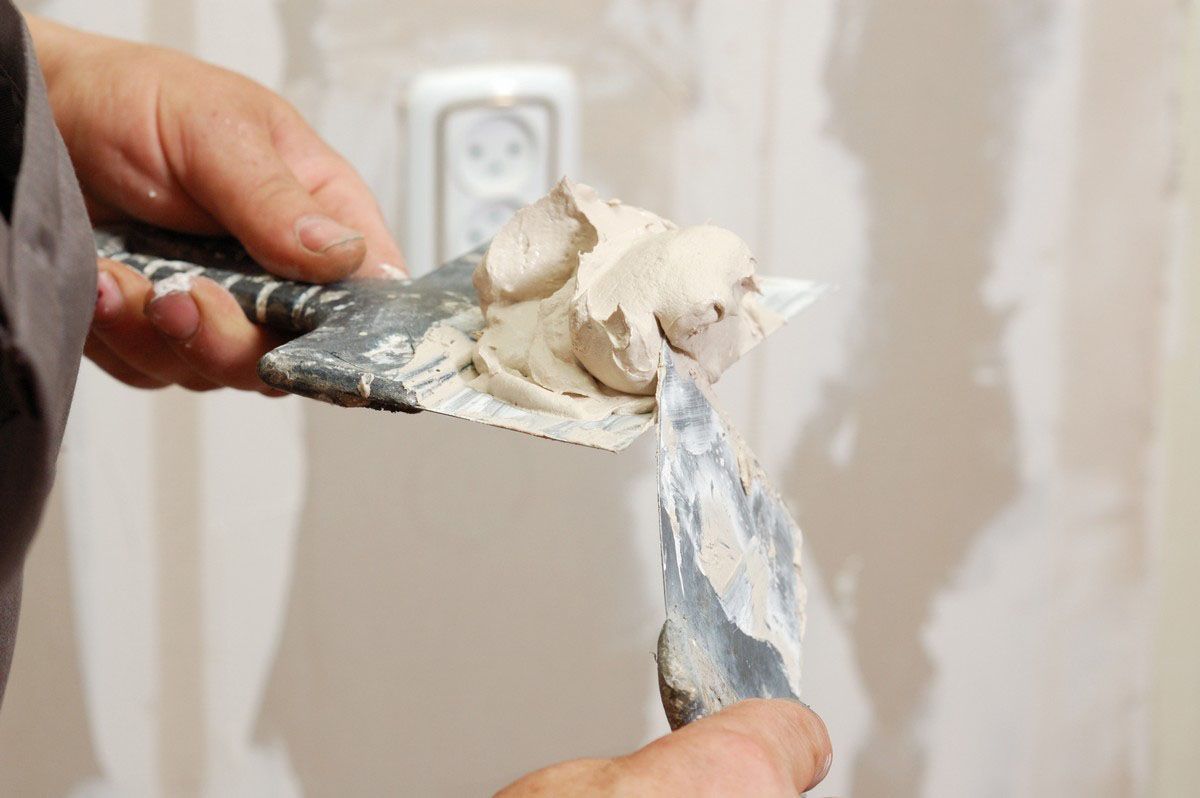
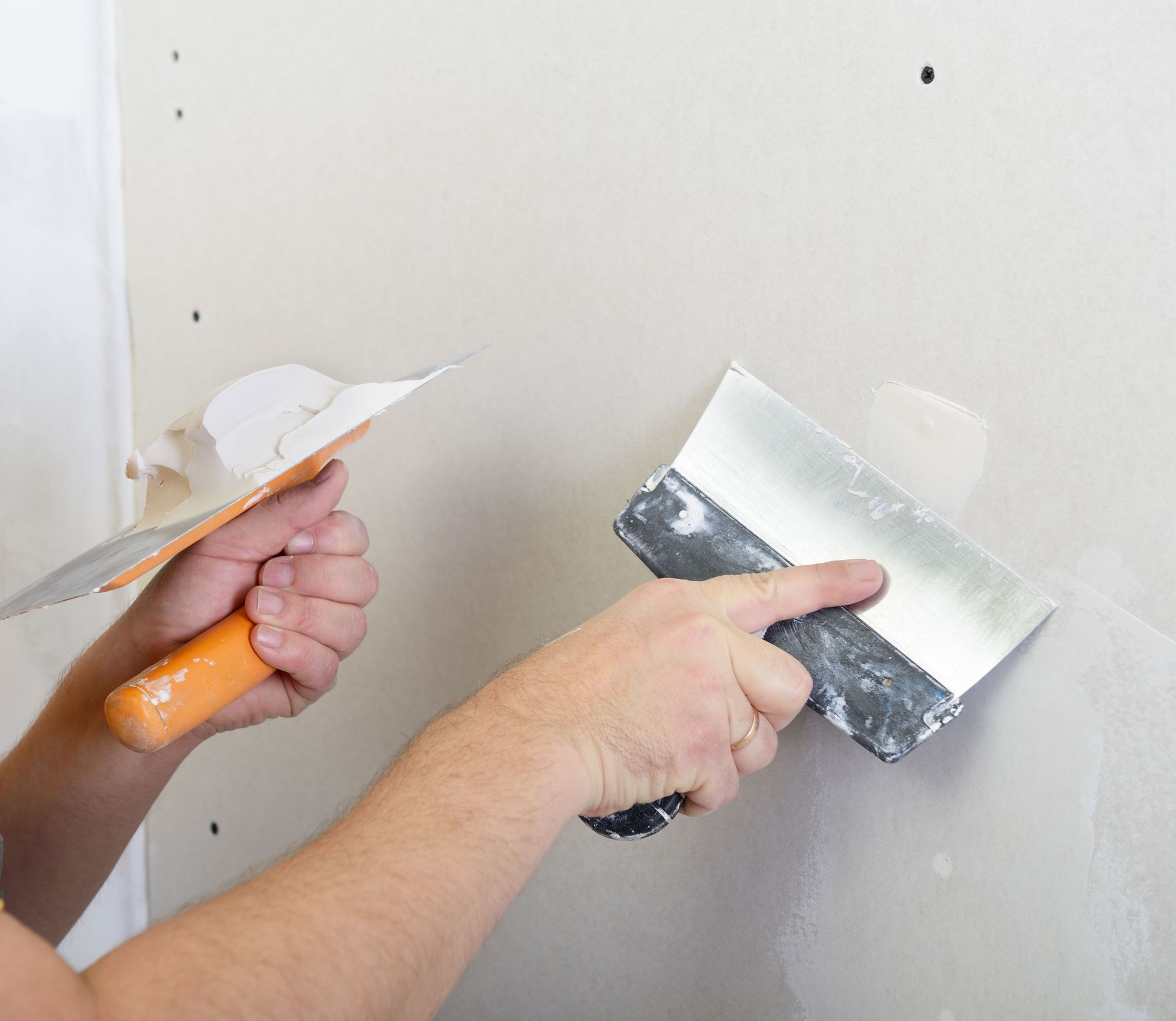
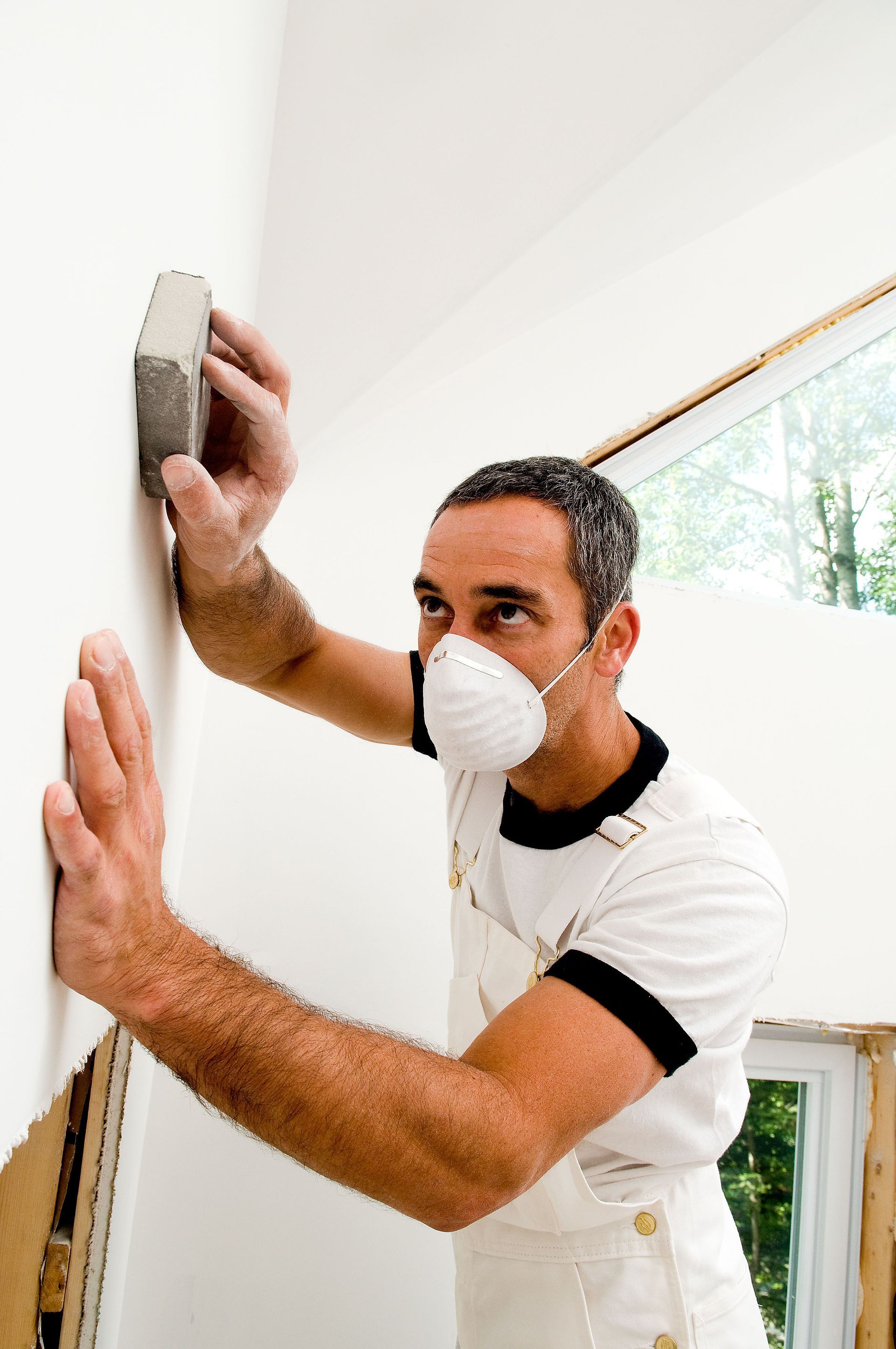
However, "efficient" does not mean "easy." The installation process involves heavy lifting, precise mathematical measurements, intricate cutting, and a meticulous finishing process that requires years of muscle memory to perfect. The joint compound (or "mud") must be applied in multiple coats, feathered out perfectly, and sanded to a microscopic level of smoothness so that no seams or screw heads are visible once the paint is applied. A poor drywall job will reveal itself immediately under the glare of natural light or recessed lighting, casting shadows on uneven seams and protruding fasteners.
The Role in New Construction
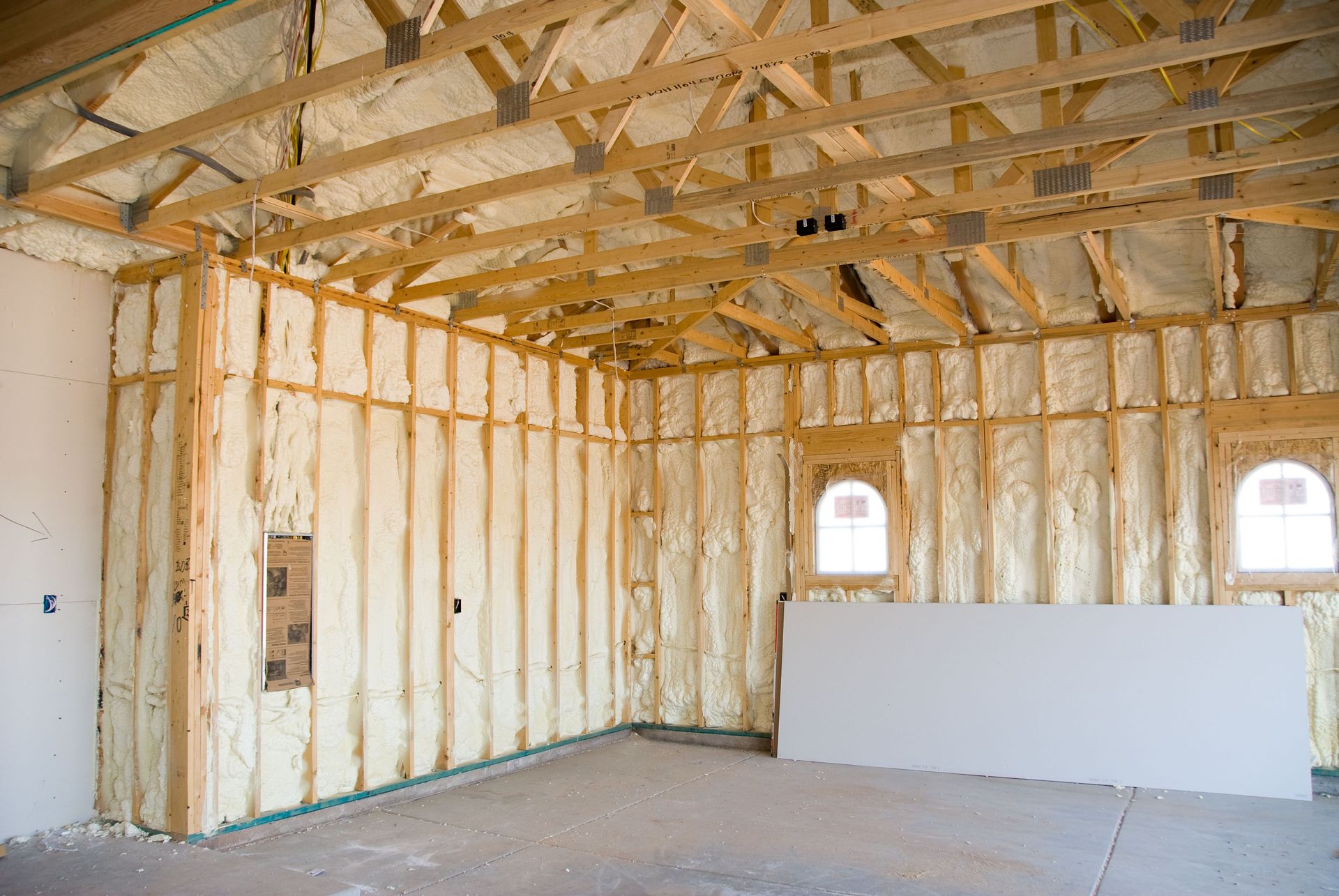
In new construction projects, drywall contractors are typically scheduled right after the "rough-in" phase. This means the structural framing is complete, the roof is on, the windows are in, and all the internal systems (plumbing, electrical, and HVAC) have been installed and inspected within the wall cavities. The insulation is placed, and the building is finally ready to be enclosed.
The scope of work for new construction generally follows these crucial phases:
1. Material Selection and Delivery: Not all drywall is created equal, and a professional knows exactly what type of board is required for different areas of a new build. Standard half-inch drywall is used for most residential walls, but ceilings often require thicker, sag-resistant 5/8-inch boards. Bathrooms and kitchens demand moisture-resistant "green board" or cement board to prevent mold and water damage. Utility rooms and garages may require fire-rated "Type X" drywall to meet strict municipal building codes. Organizing the delivery and staging of these incredibly heavy materials throughout a multi-story new build is a massive logistical undertaking in itself.
2. Hanging the Board: The hanging process is where the physical demands are highest. Teams must measure, score, and snap the boards, maneuvering pieces that can weigh well over 50 pounds into place. Ceilings are particularly challenging, often requiring specialized lifts. The boards must be fastened to the studs with precision, ensuring that the screws sink just below the surface of the paper without breaking it—a delicate balance that dictates the success of the finishing phase.
3. Taping and Mudding: Once the boards are hung, the finishing process begins. This requires the advanced techniques that seasoned drywall contractors bring to the table. Joint tape (either paper or fiberglass mesh) is embedded into wet joint compound along every seam where two boards meet. Corner beads are installed on all outside corners to provide clean, durable edges that can withstand impact.
4. The Levels of Finish: In new construction, the architect or builder will specify a "Level of Finish" ranging from Level 1 (fire-taping for hidden areas like attics) to Level 5. A Level 5 finish involves applying a skim coat of joint compound over the entire surface of the wall, not just the seams. This premium finish is essential for walls that will receive glossy paint or be subjected to severe, angled lighting. Achieving a flawless Level 5 finish is an art form.
The Complexities of Renovation
While new construction is about starting with a blank canvas, renovation work presents an entirely different set of challenges. Renovations often require integrating the new with the old, navigating out-of-plumb walls, and minimizing disruption in an occupied space.
1. Demolition and Discovery: During a remodel, opening up old walls often reveals hidden surprises—uneven framing, outdated plumbing, or non-standard stud spacing. When patching large areas or installing drywall in a gutted room, experienced drywall contractors must possess a keen eye to seamlessly blend the new wallboard with the existing architecture.
2. Texture Matching: One of the most difficult tasks in renovation is matching existing wall or ceiling textures. Homes built in different decades feature varying styles, such as popcorn, knockdown, orange peel, or swirl textures. If a contractor simply patches a hole and leaves it smooth, it will stand out like a sore thumb. Professionals have the tools and the touch required to replicate these legacy textures so that the repair becomes entirely invisible once painted.
3. Dust Management and Site Protection: Renovating a lived-in home or an operational commercial space requires immense care. Drywall dust is notoriously fine and invasive; it can quickly infiltrate HVAC systems and coat an entire house. To mitigate this, professional drywall contractors utilize specialized dust extraction systems, negative air pressure techniques, and heavy-duty plastic barriers to contain the mess, protecting the client's property and health throughout the duration of the project.
4. Plaster Remediation: In older homes undergoing renovation, contractors frequently encounter failing plaster. Rather than tearing down the entire structure, a skilled contractor can sometimes laminate over the old plaster with thin, 1/4-inch drywall, preserving the historic trim and baseboards while providing a fresh, stable surface. This requires specialized adhesives and fastening techniques to ensure long-term stability.
The Value of Professional Expertise
In an era of DIY tutorials, it can be tempting for property owners or general contractors to attempt drywall installation in-house to save money. However, this often leads to expensive rework. Drywalling is incredibly labor-intensive and unforgiving of mistakes. Improperly installed drywall can result in cracked joints, visible nail pops, sagging ceilings, and compromised fire safety.
Furthermore, time is money in both new construction and renovation. A professional crew can board, tape, and finish an entire house in a fraction of the time it would take an inexperienced team. This keeps the overall project schedule on track, allowing painters, trim carpenters, and flooring installers to begin their work without delay. Ultimately, partnering with reputable drywall contractors is a non-negotiable investment in the longevity, safety, and visual appeal of the building.
From the massive sheets of gypsum hanging on the studs to the final pass of the sanding sponge, the drywall process sets the standard for the entire interior of a building. Whether erecting the framework of a brand-new commercial facility or delicately blending repairs into a century-old home, these tradespeople carry the weight of the interior finish on their shoulders.
If you are looking for premier drywall contractors, McCloskey Drywall Inc. stands ready to bring exceptional craftsmanship, reliability, and precision to your next project. We understand the nuances of both new construction and complex renovations, ensuring that your walls are perfectly prepared for whatever life brings to your space. Contact McCloskey Drywall Inc. today to learn how our dedicated team can provide the flawless finish your property deserves.