August 26, 2026
Drywall finishing has a major influence on how walls and ceilings look once a project is complete. Even when drywall panels are installed correctly, the quality of the finish determines whether joints, fasteners, and surface variations remain visible after painting. Two of the most common higher-level finishes are Level 4 and Level 5, and understanding the difference between them can help property owners choose the right approach for a particular room. A professional drywall contractor can evaluate lighting, paint type, wall texture, and design expectations before recommending a finish. While both levels involve careful joint treatment, Level 5 adds an additional skim coat that can create a more uniform surface.
Understanding the Level 4 Finish
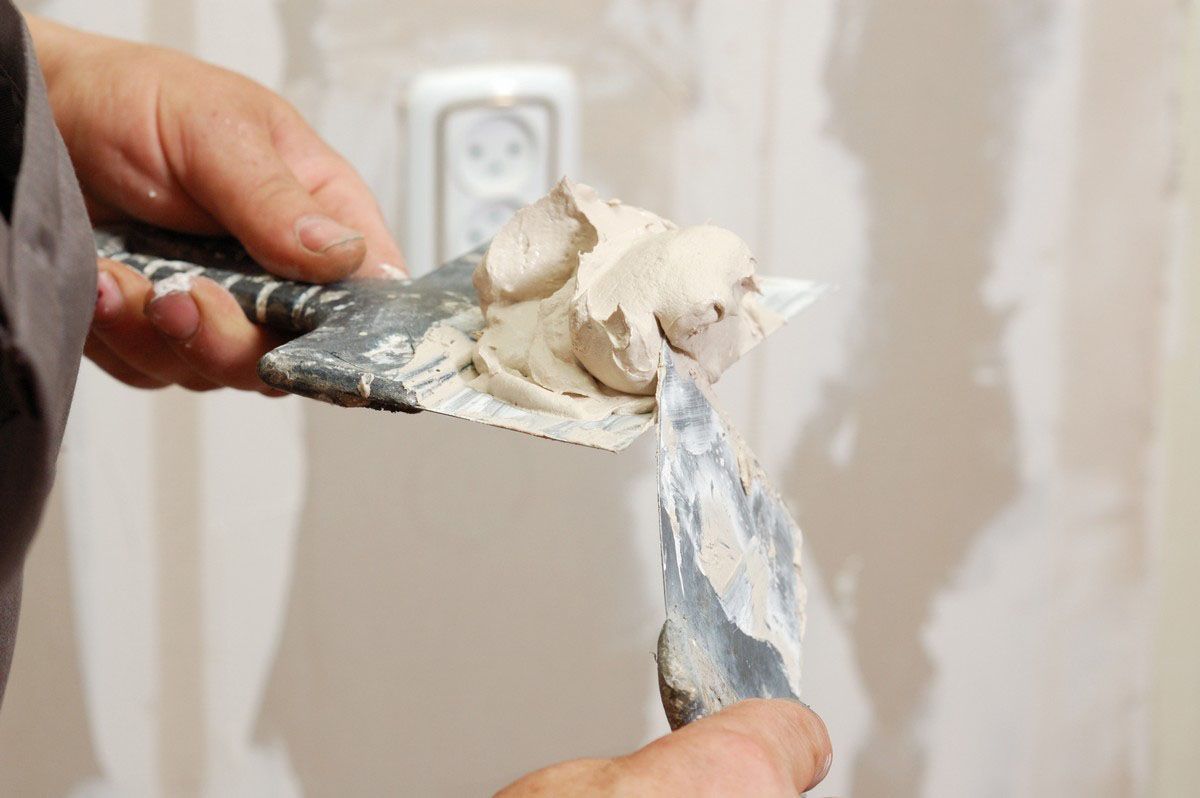
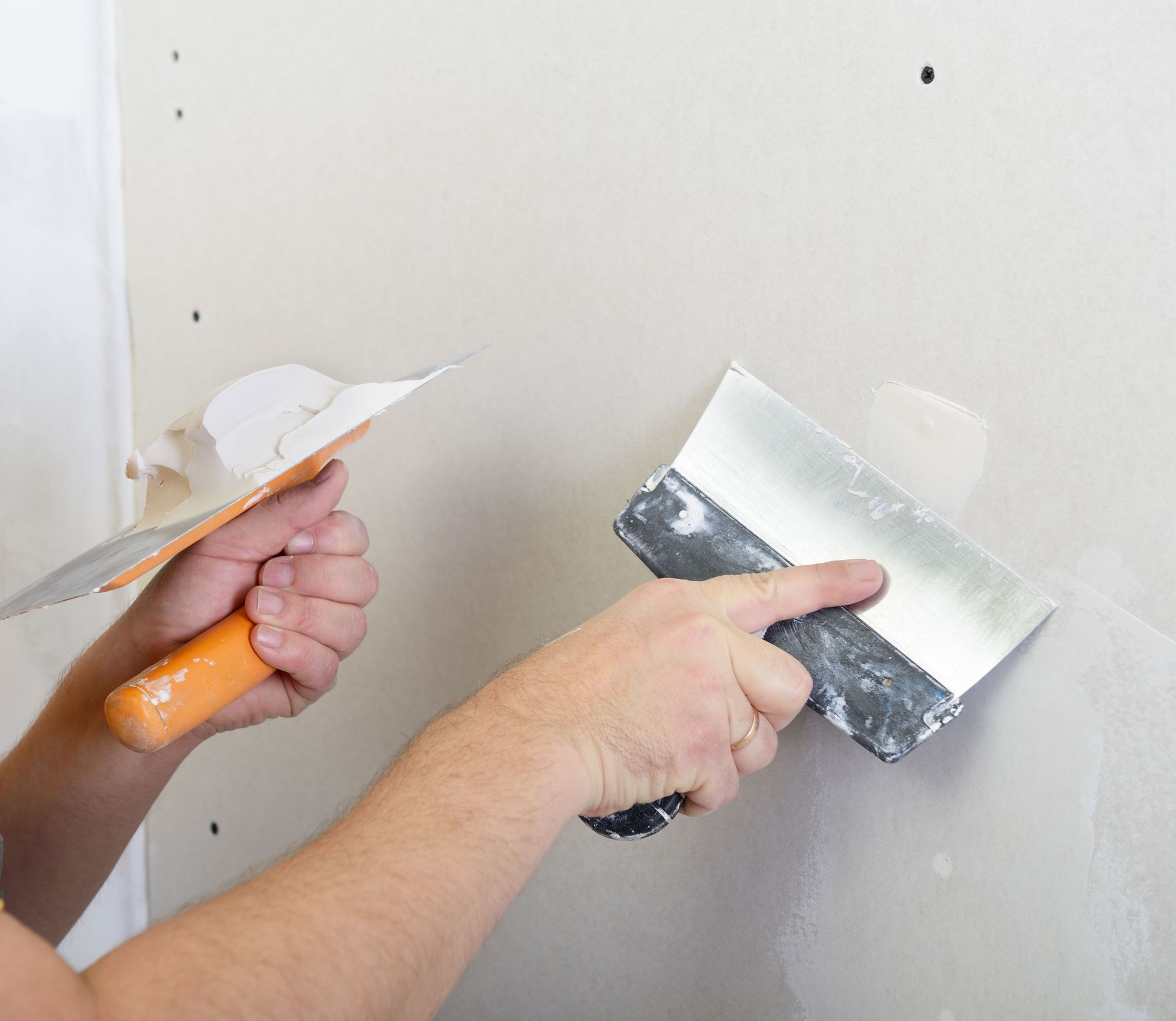
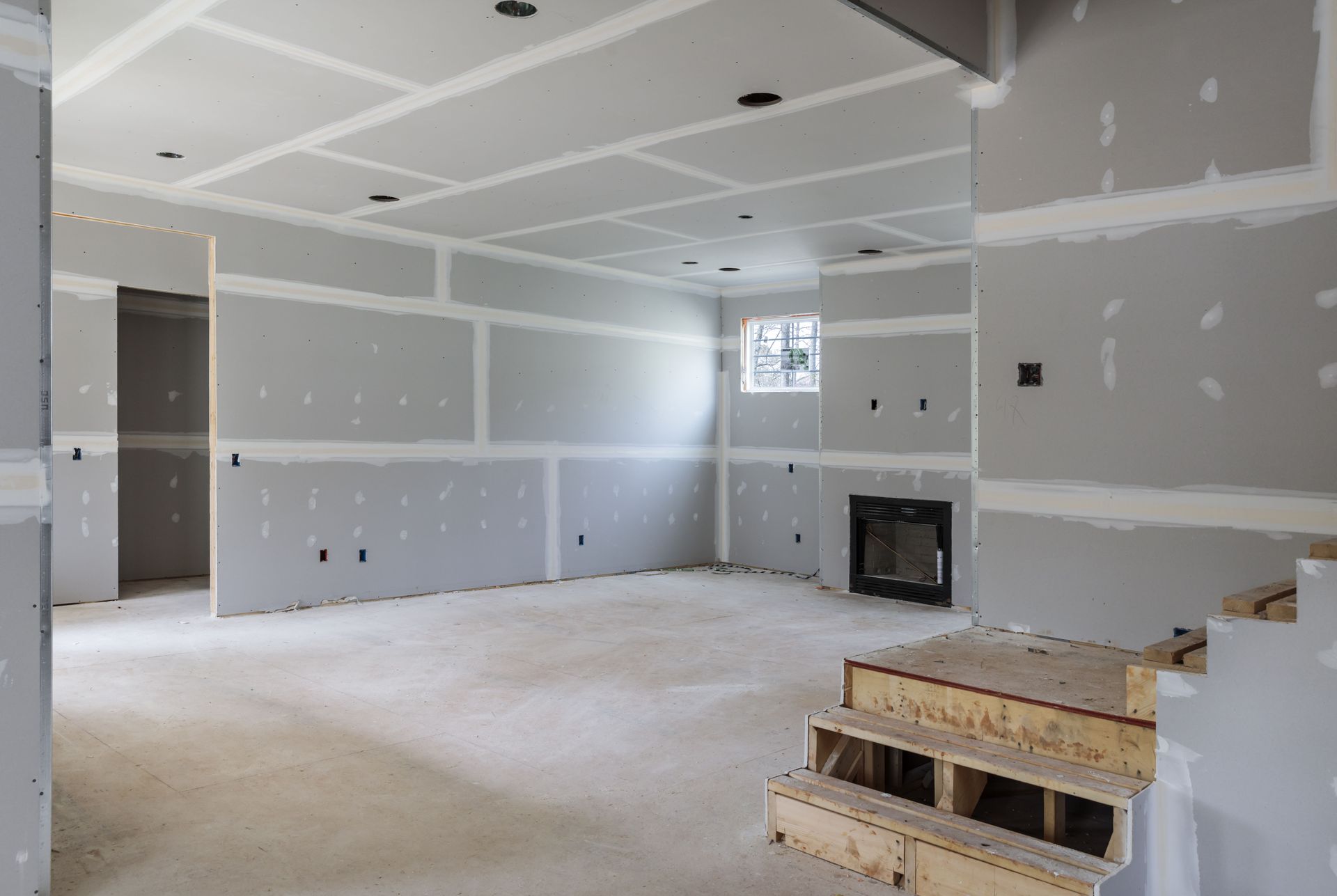
A Level 4 drywall finish is commonly used in residential and commercial spaces where walls will receive flat paint, light textures, or other finishes that do not emphasize small surface variations. At this level, joints and interior angles are typically embedded with tape and covered with multiple coats of joint compound. Fastener heads and accessories also receive additional coats so they blend more smoothly with the surrounding drywall. The result is a finished surface that is suitable for many standard interior applications.
Although Level 4 can create an attractive finished wall, it does not provide a completely uniform surface across the drywall face. Joint compound and drywall paper absorb paint differently, which may become noticeable under certain lighting conditions or with glossy coatings. A drywall contractor may recommend Level 4 when the room has standard lighting, the selected paint has a low sheen, and the design does not call for an exceptionally smooth appearance. In many spaces, it offers an effective balance between appearance, labor, and project cost.
Understanding the Level 5 Finish
Level 5 builds on the work required for Level 4 but includes an additional skim coat over the entire drywall surface. This thin layer of joint compound helps create more consistent porosity between the drywall paper and the areas where joint compound has already been applied. The skim coat does not necessarily make the wall structurally stronger, but it can significantly improve how evenly the final surface accepts primer and paint.
A drywall contractor may recommend Level 5 in spaces where lighting or paint choices are likely to expose even minor imperfections. The additional skim coat reduces visible differences between taped joints and the rest of the wall, creating a more consistent base. This can be especially valuable in high-end interiors, large open rooms, or other spaces where appearance is a major priority. Level 5 requires more labor and material than Level 4, but the added preparation can produce a noticeably smoother finished result.
Comparing Surface Uniformity and Appearance
The most important visual difference between Level 4 and Level 5 is surface uniformity. With Level 4, the joints and fasteners are carefully finished, but the drywall paper itself remains exposed across most of the surface. Under ordinary lighting, this difference may be difficult to notice. However, when light travels across a wall at a low angle, subtle variations between the joint compound and drywall paper can become more apparent.
Level 5 minimizes these variations by covering the entire surface with a skim coat. A drywall contractor can use this additional layer to create a consistent substrate before primer and paint are applied. According to Statista, in 2025, roughly 26 billion square feet of wallboard products were sold across the United States. With drywall used on such a broad scale, different finish levels allow builders and property owners to match surface preparation to the appearance and performance expectations of each project.
Considering Lighting Conditions Carefully
Lighting has a major effect on how finished drywall appears. Direct overhead lighting generally reveals fewer surface variations than light that washes horizontally across a wall. Large windows, skylights, wall-mounted fixtures, and recessed lighting located close to a surface can create what is sometimes called critical lighting. These conditions may cast shadows across small ridges, joints, or differences in texture that would otherwise be difficult to see.
Because of this, a room with extensive natural light or strong directional fixtures may benefit more from Level 5 than Level 4. The additional skim coat helps reduce the contrast between drywall paper and finished joints, making the wall appear more consistent as light travels across it. Property owners should consider lighting plans early in the project rather than waiting until the walls have already been painted. The right finish level can prevent visual surprises once fixtures are installed and the room is fully illuminated.
Matching the Finish to Paint Selection
Paint sheen is another important factor when choosing a drywall finish. Flat and matte paints reflect relatively little light, so they tend to hide small imperfections more effectively. Eggshell, satin, semi-gloss, and gloss finishes reflect progressively more light and can make surface variations easier to see. A Level 4 finish may perform well beneath flat paint but become less visually consistent when paired with a higher-sheen coating.
A drywall contractor can help homeowners and builders consider the planned paint before deciding how extensively the walls should be finished. Level 5 is often preferred when glossy or reflective coatings will be used because the skim coat provides a more uniform base. Primer still plays an important role with either finish level because it helps prepare the surface for the final coating. Coordinating drywall preparation and paint selection can produce a more predictable result than treating the two stages as separate decisions.
Comparing Labor, Materials, and Cost
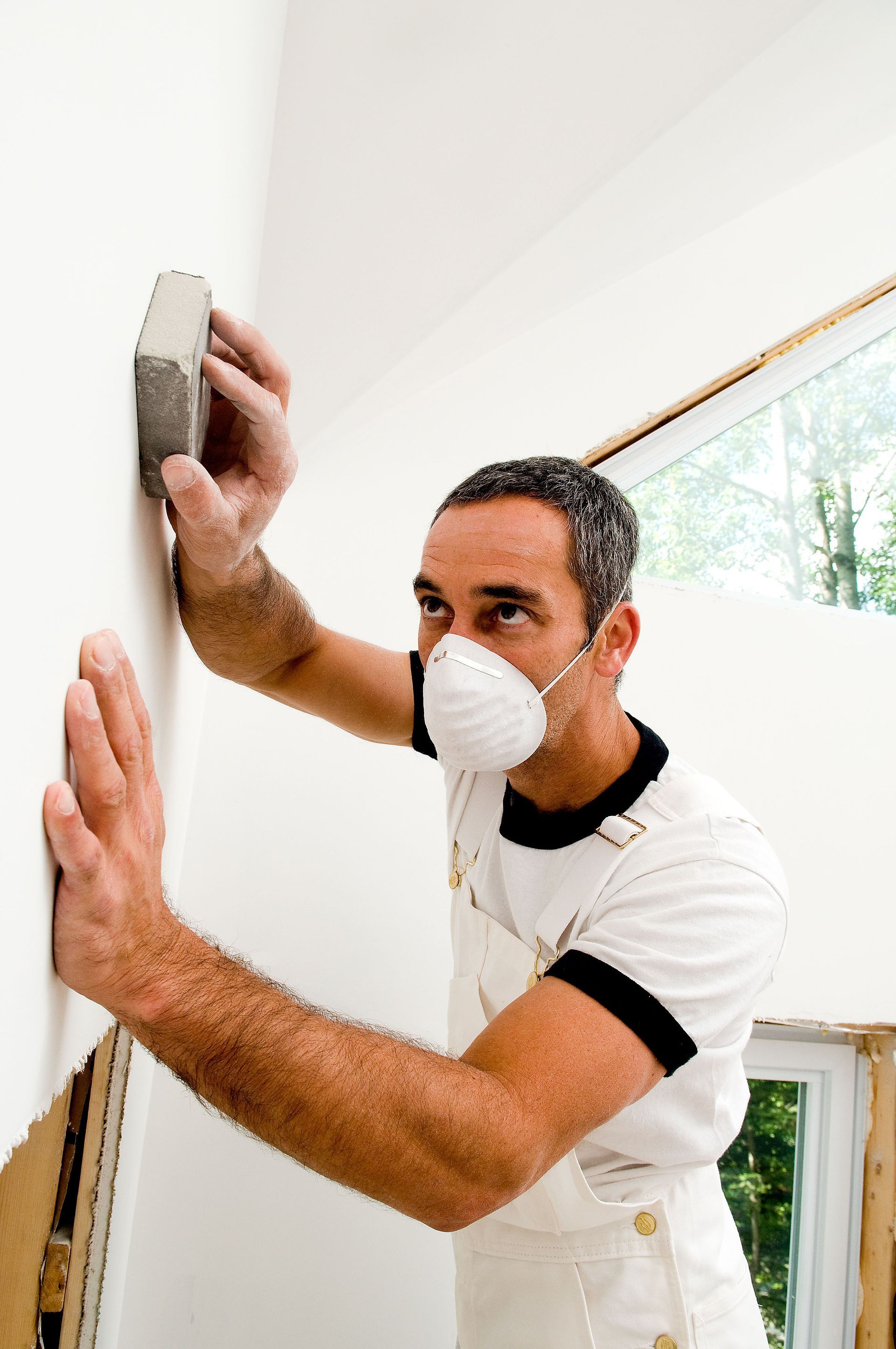
Level 5 generally costs more than Level 4 because it requires an additional finishing step across the entire wall or ceiling. Applying a skim coat takes extra joint compound, labor, drying time, sanding, and inspection. On a large project, those added requirements can have a noticeable effect on both the schedule and budget. Level 4 avoids this full-surface treatment, which is one reason it remains common for standard residential rooms and many commercial applications.
However, choosing between the two levels should not be based on price alone. Spending more for Level 5 may be worthwhile when lighting, paint sheen, or design expectations make surface uniformity especially important. On the other hand, paying for Level 5 in rooms where the difference will not be noticeable may add unnecessary cost. Considering where each finish is actually needed can help property owners direct their budget toward the areas where additional preparation provides the greatest visual benefit.
Selecting the Right Finish for the Space
The best drywall finish depends on how the finished room will be used and how closely the walls will be viewed. Bedrooms, storage spaces, offices, and other areas with standard lighting and low-sheen paint may perform well with Level 4. Formal living areas, galleries, conference rooms, luxury interiors, or rooms with extensive natural light may benefit from Level 5. An experienced drywall contractor can evaluate the entire space rather than recommending the same finish level for every room automatically.
It is also possible for one building to use both finish levels. Level 5 might be selected for highly visible walls while Level 4 is used in areas where lighting and paint will be more forgiving. This targeted approach can help balance appearance and budget without lowering quality where it matters most. Discussing finish expectations before installation and painting begin also gives everyone involved in the project a clearer understanding of the desired result and reduces the chance of disagreements about surface appearance later.
Level 4 and Level 5 drywall finishes can both provide attractive results, but they are designed for different visual conditions and expectations. Level 4 offers a dependable finish for many standard interiors, while Level 5 adds a full skim coat that improves surface uniformity under critical lighting or higher-sheen paints. Lighting, paint selection, room use, budget, and desired appearance should all be considered before choosing between them. Working with a knowledgeable drywall contractor can help ensure that the level of preparation matches the needs of the space rather than adding unnecessary work or leaving visible imperfections. For professional drywall installation and finishing assistance, contact McCloskey Drywall Inc.