August 11, 2026
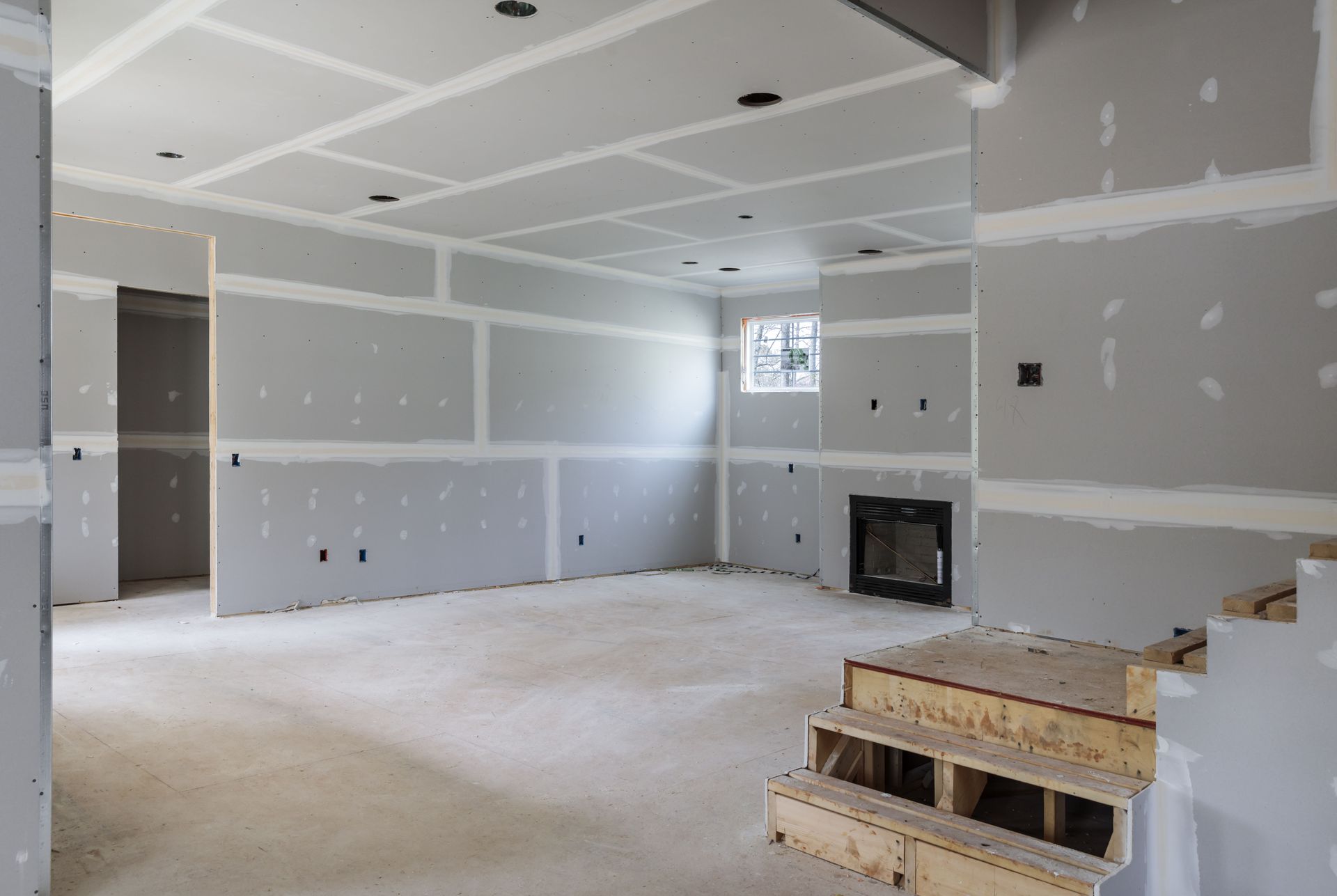
Commercial and residential construction environments demand exceptional speed, rigorous coordination, and tight structural precision. On any job site, the interior finishing stage represents a critical turning point where raw framing transforms into clean, livable, and functional architectural spaces. At the center of this transformation are specialized trade specialists who turn bare studs into pristine interior walls. While individual DIY enthusiasts or casual handymen can slowly hang panels, high-performing trade teams rely on structured operational workflows to achieve extraordinary efficiency. Professional drywall contractors do not rely on sheer physical exertion alone; instead, their high output stems from organized division of labor, systematic site preparation, mechanical assistance, and seamless communication. Understanding how these teams optimize their daily workflow offers valuable insights into modern construction management and highlights why expert installation remains indispensable for large-scale projects.
Optimizing Site Preparation
Maximum installation speed begins long before the first panel is lifted or secured. Elite installation teams understand that an unprepared workspace severely hampers movement, increases safety risks, and slows down overall progress. Before hanging operations begin, professional crews conduct thorough site evaluations to inspect wall framing for plumbness, verify electrical box placements, and clear debris from floor areas. Staging materials effectively stands as another critical preparatory step. Placing heavy wallboards in centralized locations near the installation zones eliminates redundant handling and prevents workers from carrying heavy materials across vast distances.
Proper material placement protects structural components from premature damage while keeping movement corridors open for workers. Experienced drywall contractors systematically organize boards by size, thickness, and fire rating near corresponding rooms, ensuring installers can immediately grab correct materials without delay. Pre-planning material routing routes around doorways and hallway corners prevents bottlenecks and keeps every worker focused on active installation. By creating an organized site environment, crew members move fluidly from wall to wall, converting preparation time into sustained daily momentum.
Organizing Crew Roles
The secret behind high-velocity drywall installation lies in specialized division of labor. Rather than having every worker perform every task from start to finish, professional teams delegate specific responsibilities based on individual strengths and specialized tools. One sub-team focuses entirely on measuring, cutting, and shaping panels around windows, outlets, and architectural features. Simultaneously, secondary teams position boards against ceiling joists and wall studs, while dedicated fasteners secure the panels using specialized continuous-feed screw guns.
This coordinated structure eliminates lost momentum and minimizes downtime between operations. According to Home Guide, a crew of four drywall installers can hang 45 to 80 sheets of drywall per day. Achieving that high tier of productivity requires effortless cooperation where material handlers, cutters, and fasteners work in near-total synchronization. Specialized drywall contractors ensure that each crew member understands their explicit task for the day, creating a seamless assembly line rhythm inside static building structures. As each worker masters their designated role, installation speed increases without sacrificing visual precision or structural integrity.
Utilizing Modern Tools
Technological advancements and specialized mechanical equipment have drastically elevated daily output standards across the interior finishing industry. Manual hand tools have largely given way to high-efficiency power equipment that speeds up repetitive installation steps. Automated screwdrivers featuring continuous collated strips allow installers to sink fasteners at precise depths in seconds without manual reloading. Similarly, drywall lifts and mechanical hoist systems enable small teams to position heavy ceiling panels effortlessly, reducing physical fatigue and preventing workplace injuries.
Beyond basic hanging equipment, specialized cutting and layout tools streamline panel shaping. Laser levels allow crews to establish perfect reference lines across expansive open spaces, ensuring seamless alignment without tedious manual measurements. Rotary cutout tools quickly carve out openings for electrical boxes, HVAC vents, and plumbing pipes after sheets are mounted to the studs, eliminating tedious pre-cutting steps. By equipping teams with modern mechanical assistance, professional drywall contractors dramatically shorten cycle times per room, delivering superior structural consistency across entire building layouts.
Streamlining Finishing Processes
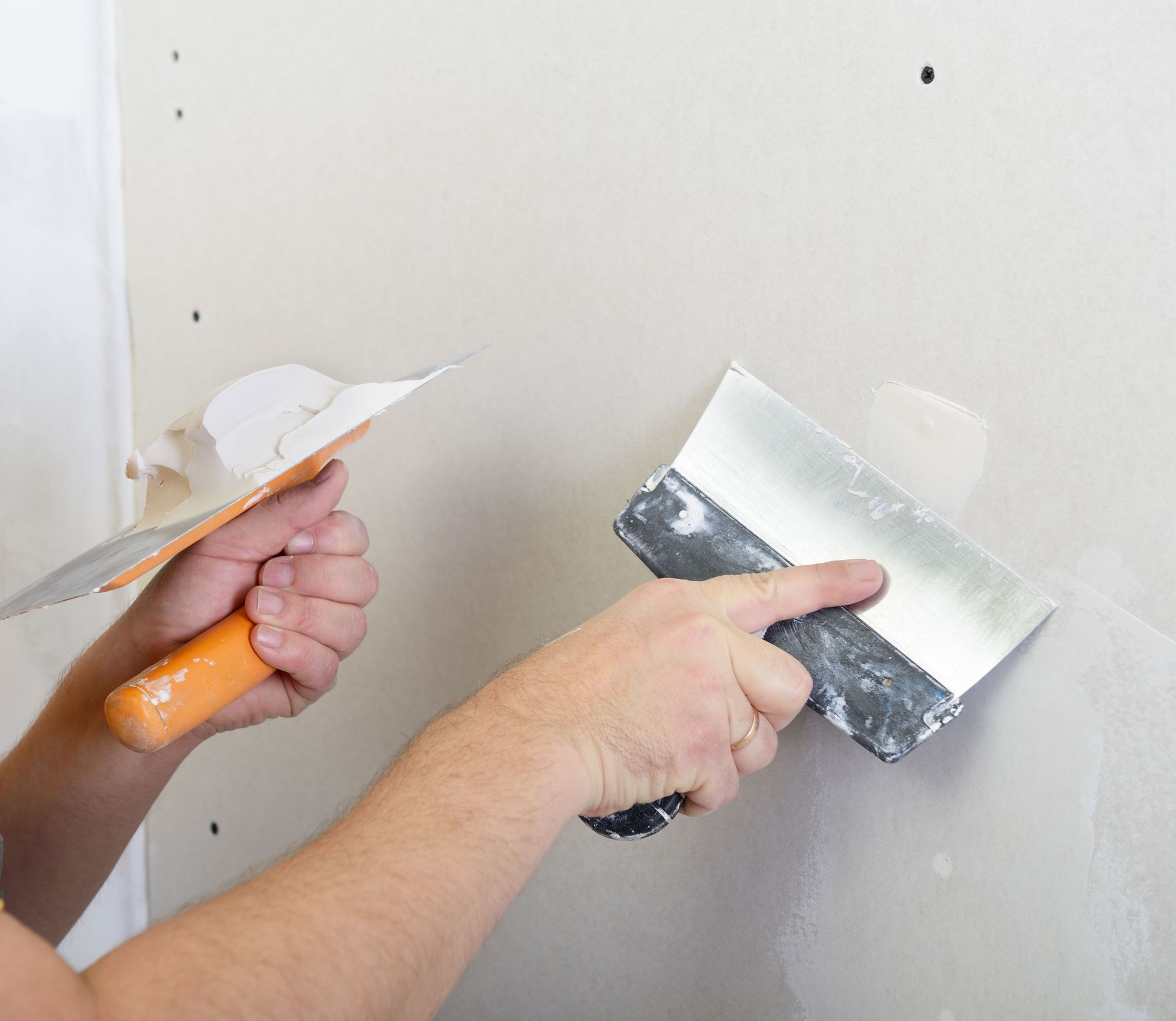
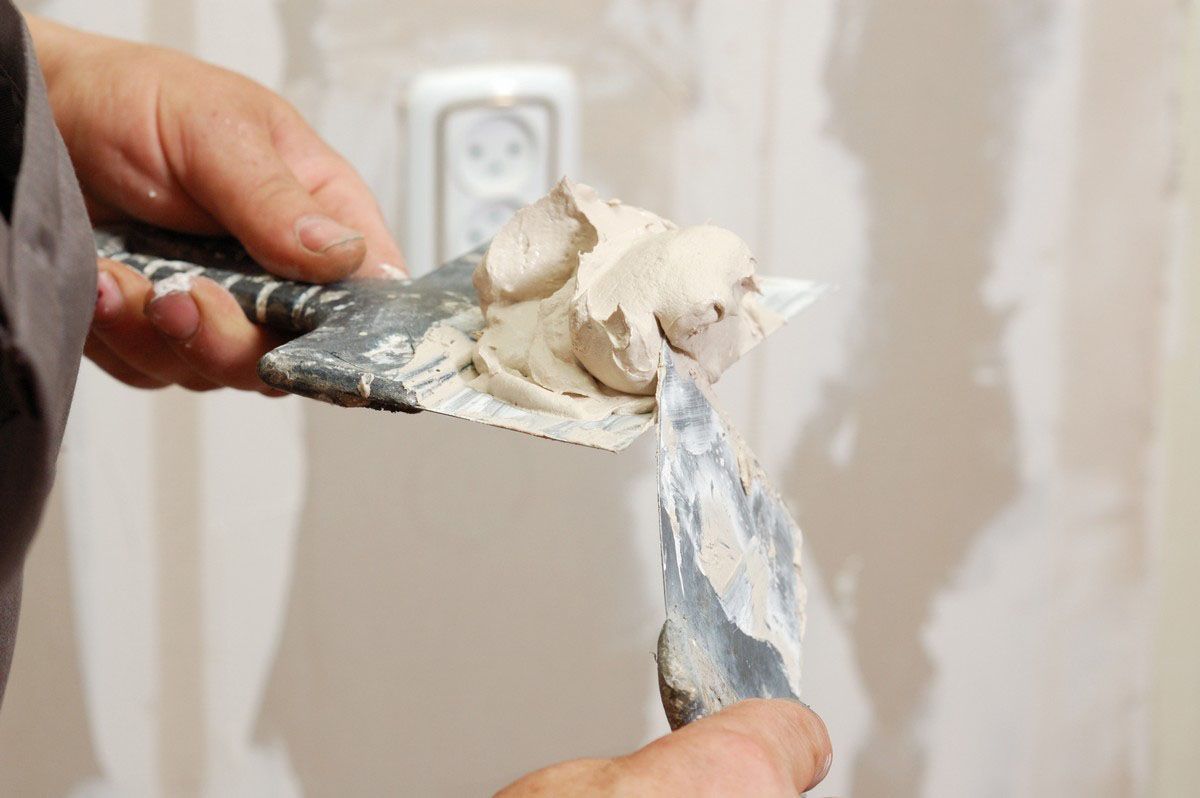
Hanging wallboards represents only half of the complete interior wall journey; taping, mudding, sanding, and surface finishing dictate the final aesthetic quality of the room. High-output operations apply systematic finishing techniques to keep pace with rapid board hanging. Utilizing continuous automatic taping tools—often referred to as bazookas—enables finishing technicians to apply joint compound and paper tape simultaneously along long seams in a single fluid pass.
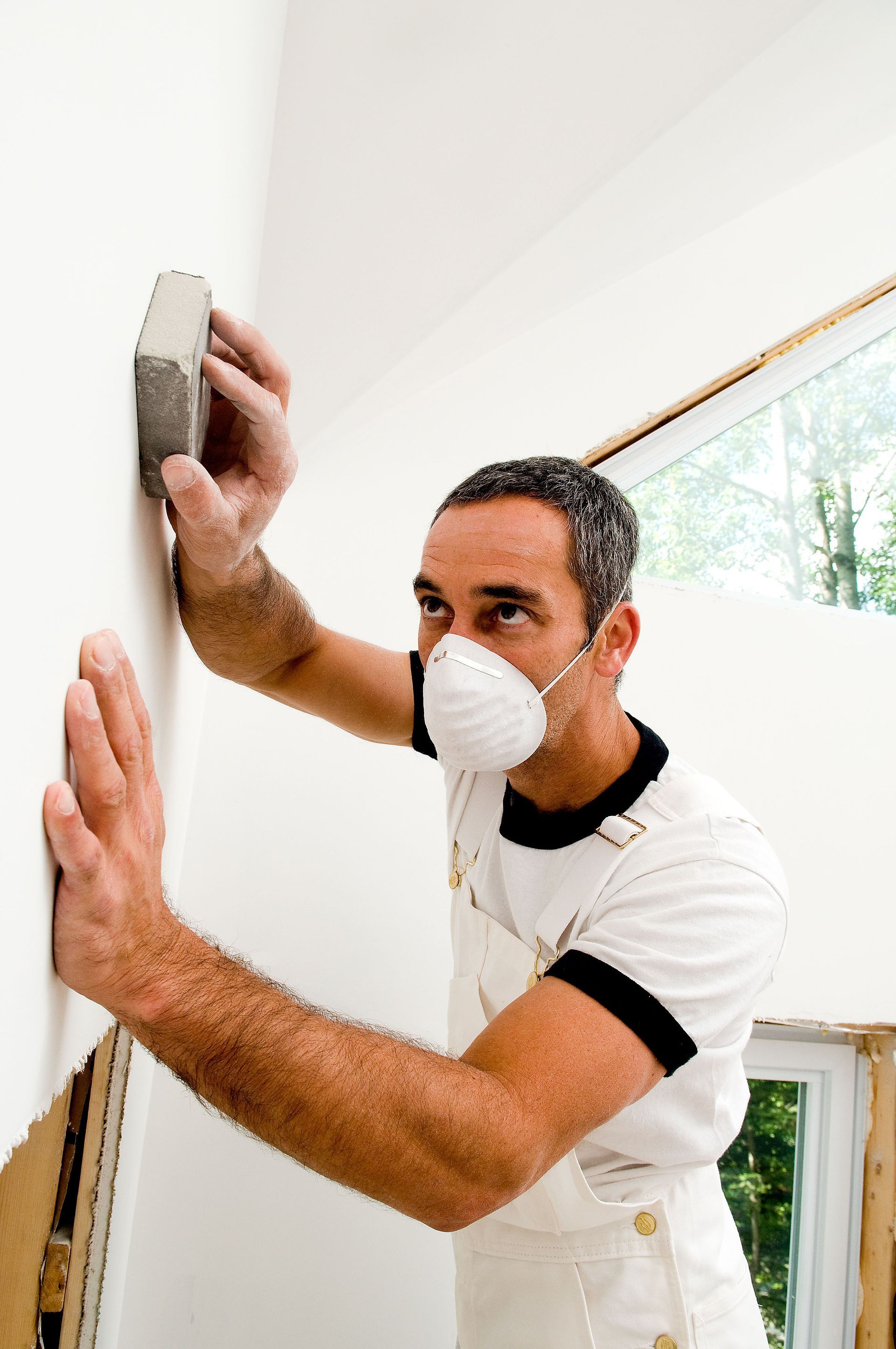
Following initial taping, multi-stage finishing sweeps apply thin, controlled layers of joint compound using broad mechanical box tools. These specialized applicators lay down consistent feather-edged coats over seams and fastener heads, minimizing the amount of manual sanding required later. Dustless vacuum sanding systems further accelerate the final prep stage, keeping air quality clear while producing smooth, paint-ready surface textures. By standardizing each phase of joint treatment, experienced drywall contractors transition smoothly from structural board installation to flawless cosmetic finishing without creating internal site delays.
Enforcing Quality Control
Maintaining extreme speed is meaningless if poor craftsmanship requires extensive rework. Industry-leading teams integrate rigorous quality control checks directly into their daily production schedules rather than waiting for project completion. Senior site supervisors continuously monitor framing attachments, joint tightness, screw depth accuracy, and surface flatness as installation progresses. Identifying minor misalignments or missed fasteners early prevents costly tear-outs after finishing compounds have cured.
Proactive quality control extends to checking moisture levels in wood framing and verifying compliance with local fire resistance codes and sound transmission standards. Ensuring that panel seams remain staggered across structural studs prevents future stress cracks along joint lines. By catching potential defects in real time, professional drywall contractors protect the structural longevity of the interior spaces while preserving project timelines. This dual focus on speed and accuracy builds long-term client trust and ensures that high-volume output never comes at the expense of craftsmanship.
Managing Project Schedules
Executing complex commercial or multi-family residential projects demands sophisticated scheduling and logistical coordination. High-output teams maintain close communication with general contractors, electricians, plumbers, and inspectors to ensure site availability matches operational timelines. Scheduling material deliveries in phased waves prevents site clutter while ensuring continuous supplies reach active installation zones exactly when needed.
Effective scheduling also accounts for environmental conditions inside the building envelope. Managing interior humidity levels, temperature control, and air circulation ensures that joint compounds dry uniformly between coats, allowing finishing sweeps to proceed without unexpected interruptions. When unforeseen delays occur on adjacent trades, adaptable drywall contractors adjust internal staffing levels and shift installation teams to ready zones, maintaining overall project momentum. Masterful scheduling turns potential site conflicts into orderly, predictable project delivery.
Scaling interior installation output requires far more than basic labor; it demands strategic coordination, specialized equipment, disciplined role delegation, and an unyielding commitment to craftsmanship. By optimizing every phase of the process—from initial site preparation through high-speed mechanical finishing—professional crews turn complex architectural framing into refined interior spaces with unmatched efficiency. Advanced tool selection, streamlined material staging, and seamless team communication ensure every wall surface meets strict performance standards. Property owners and general contractors who partner with established experts ensure their projects stay on schedule, within budget, and built to higher standards. At McCloskey Drywall Inc, we bring collective expertise, rapid execution, and reliable quality to every project, ensuring your interior wall systems are built to endure for generations. Contact us today to learn more about our comprehensive finishing and drywall services.